Floral Decorative Items: Graphics and Illustrations for Modern Blogs
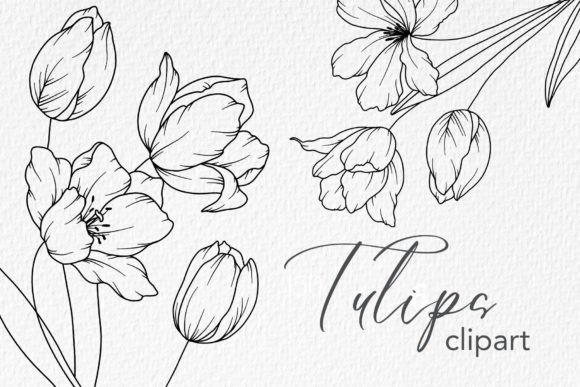
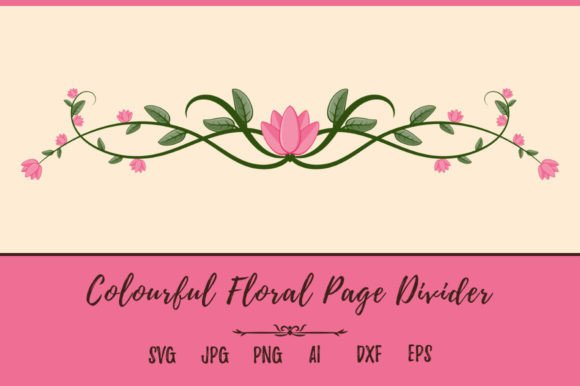
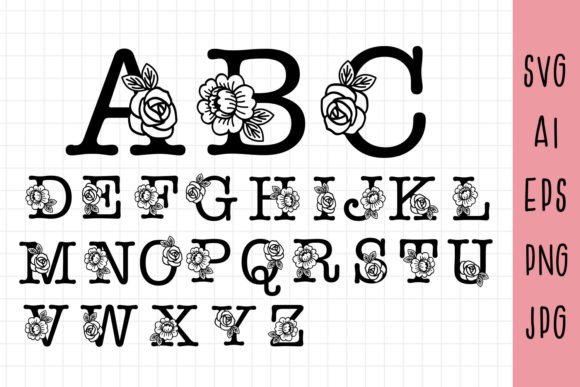
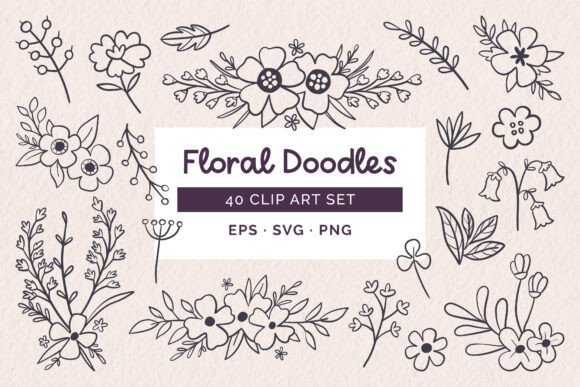
In the world of digital publishing, visual communication is not merely an aesthetic choice; it is a critical component of user experience and reader retention. As a blog designer and digital publisher who has spent years refining website layouts and editorial standards, I approach every new design asset with a specific question: does this support our content strategy and enhance reader trust? Recently, I evaluated a collection titled Floral Decorative Items, a set of cute hand-drawn floral wreath and isolated floral items in line art style. With a total of 40 isolated items presented as a vector illustration, this download offers significant potential for lifestyle bloggers, content creators, and small business owners looking to elevate their visual identity.
The Editorial Mood and First Impressions
When you first load these graphics into your design workspace, the immediate impression is one of clean, modern elegance. The line art style provides a sophisticated yet accessible mood that feels both artistic and professional. Unlike heavy, photorealistic images that can clutter a webpage or slow down load times, these illustrations offer a breathable, airy feel. This is particularly valuable for content niches such as wellness, lifestyle, home decor, crafting, and personal development.
The "cute" aspect of the description should not be mistaken for childishness. Instead, it conveys approachability and warmth. For a blogger preparing featured images or Pinterest pins, this tone helps humanize the brand. It signals to the reader that the content is friendly and inviting, which can significantly impact click-through rates on social platforms. The isolated nature of the items means they are versatile enough to stand alone as decorative accents or to frame text effectively without overwhelming the message.
Integrating Floral Decorative Items into Your Publishing Workflow
A strong brand identity relies on consistency across all touchpoints. Here is how these design assets can seamlessly integrate into a real-world content marketing workflow:
- Pinterest Graphics and Social Media Posts: The vertical format popular on Pinterest benefits greatly from the wreath designs. You can place headline text inside the circular negative space of the wreaths, creating a natural focal point that draws the eye. These serve as excellent social media graphics to drive traffic back to your main site.
- Digital Guides and Lead Magnets: If you are creating a downloadable resource, such as a printable checklist or a mini-eBook, these illustrations add polish. They transform a simple PDF into a perceived value product. Using them on the cover or as section dividers within a digital guide enhances the editorial design quality.
- Newsletter Banners: Email marketing remains a cornerstone of affiliate marketing and audience building. A header graphic featuring these floral elements can soften the look of a newsletter, making it feel less like a sales pitch and more like a personal note from a friend.
- Category Thumbnails: On a content-heavy website, category pages need clear visual cues. Assigning different floral items to different categories (e.g., a rose for gardening, a lily for wellness) creates a subtle but effective visual hierarchy that aids navigation.
- Canva Templates: For creators who use Canva for rapid content creation, having these vector-style elements allows for easy customization. You can resize them without losing quality, ensuring your brand identity remains sharp whether viewed on a mobile device or a desktop monitor.
Enhancing Content Performance and Trust
Why do these specific design assets matter for your bottom line? The answer lies in visual psychology. A polished website suggests a polished service or product. When readers encounter consistent, high-quality illustrations, it subconsciously reinforces the credibility of your advice or recommendations.
Furthermore, these illustrations support better visual hierarchy. By using the wreaths to frame key statistics or quotes within an article, you break up large blocks of text, making the content more digestible. This improves readability and keeps users on the page longer, which is a positive signal for search engine optimization. In the context of affiliate marketing, where trust is paramount, professional-looking visuals help distinguish your content from low-effort spam sites.
Where These Assets Shine
The versatility of this graphic design asset makes it suitable for several key areas:
- Hero Images: Use a large wreath behind your main headline to create a striking entry point for landing pages.
- Editorial Accents: Scatter isolated flowers along the margins of blog posts to add personality without distracting from the core message.
- Website Header: A subtle repeating pattern of the line art can serve as a background texture for your site’s header, adding depth without compromising text legibility.
- Printable Design: Since these are vector illustrations, they are perfect for high-resolution printing, allowing you to sell physical printables or offer free downloads that look professional on paper.
Areas Requiring Caution
While powerful, no single asset fits every scenario. There are specific contexts where you should use these floral decorative items carefully:
- Small Mobile Thumbnails: At very small sizes, intricate line art can become muddy or indistinguishable. Always preview your designs at thumbnail size to ensure clarity.
- Serious Professional Niches: For corporate finance, legal services, or heavy B2B tech content, this playful line art may undermine the seriousness of your brand. In these cases, a more minimal visual system is preferred.
- Low-Contrast Backgrounds: Line art relies on contrast to be visible. Avoid placing light gray lines on white backgrounds or dark lines on black backgrounds without adjusting opacity or stroke weight.
- Text-Heavy Blog Images: Do not compete with your copy. If an image contains a lot of text, keep the decorative elements minimal so the message remains the priority.
Practical Publisher Notes for Implementation
To get the most out of this creative design purchase, follow these technical best practices:
Test Across Devices: Before finalizing any layout, view your graphics on both desktop and mobile screens. Ensure that the visual hierarchy holds up on smaller viewports.
Font Pairing: Experiment with typography alongside these illustrations. They pair beautifully with serif fonts for a classic editorial look, sans serif fonts for a modern clean aesthetic, and even script or handwritten fonts for a personal, crafty vibe. However, avoid pairing them with overly ornate display fonts that might clash with the delicate line work.
Check Contrast and Readability: Always review file size for web performance. While vectors are lightweight, if you export them as raster images for specific design software, compress them properly to maintain fast page load speeds. Additionally, test your color choices in black and white to ensure the shapes remain distinct.
Licensing Verification: Finally, confirm commercial licensing before using these assets on monetized websites, affiliate pages, or paid content products. Understanding the terms of use for a digital download is essential for protecting your business and ensuring you have the right to use these graphics in your commercial design projects.
Ultimately, Floral Decorative Items offer a blend of charm and professionalism that can significantly upgrade the presentation of your digital content. By integrating these illustrations thoughtfully into your blog graphics, editorial layouts, and social media strategy, you create a cohesive brand identity that resonates with readers and drives engagement.