Line Art Floral Set Review
As a designer who spends more time than I care to admit staring at stitch density charts and debating thread colors, I approach every new machine embroidery design with a healthy dose of skepticism. The market is flooded with generic floral patterns that look beautiful on screen but turn into tangled messes once they hit the hoop. That is why when I came across the Line Art Floral Set, described as hand-drawn flower design elements featuring contour drawings, I was immediately intrigued. This isn't just another clip art pack; it is a collection of Illustrations and Graphics that speak the language of clean, modern aesthetics. But does it hold up in real-world production? Can an Etsy seller rely on this for their next best-selling listing? Let’s dive into how this set performs when we move from digital preview to finished product.
The First Impression: Clean Lines and Modern Mood
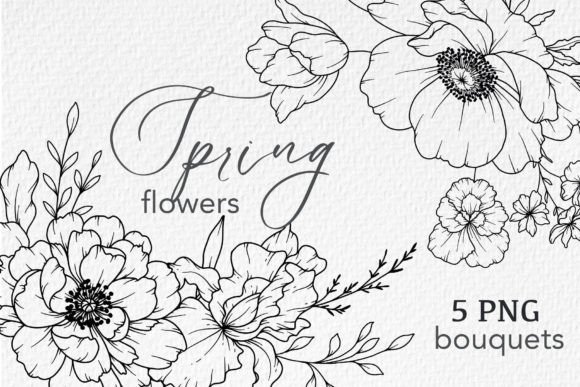
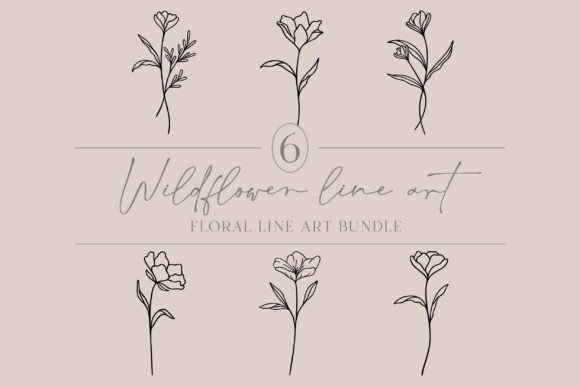
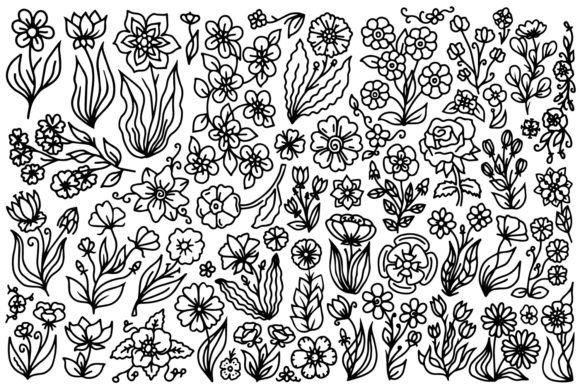
When you first open the folder containing these 55 high-resolution JPGs, the immediate takeaway is clarity. In the world of embroidery project planning, visual noise is the enemy. Many floral designs suffer from overly complex inner details that get lost or create unnecessary bulk. The Line Art Floral Set avoids this trap entirely. The contour drawings are elegant, relying on negative space rather than dense fill stitches to create impact. This creates a mood that is sophisticated yet approachable—perfect for brands aiming for a boutique, minimalist, or contemporary handmade aesthetic.
The visual personality here is distinct. These aren’t your grandmother’s heavy rose bouquets. They are light, airy, and structural. For a custom apparel decorator or a small shop product creator, this distinction matters. It allows the fabric texture to show through, integrating the embroidery into the garment rather than having it sit on top like a patch. It feels intentional, thoughtful, and highly professional.
Real-World Application: From Tote Bags to Nursery Decor
To truly test a design asset, you have to put it to work. I imagined several scenarios where the Line Art Floral Set would shine, based on current trends in the craft business and Etsy seller communities.
Consider a custom embroidered tote bag. A busy, multi-colored floral print can sometimes clash with the canvas texture or overwhelm the bag’s utility. However, using a single line-art flower motif placed strategically near the handle or centered on the front panel creates a striking focal point. The simplicity of the running stitch outlines mimics the look of hand-stitching, which adds value to the handmade product. Customers perceive higher quality when the design looks refined rather than cluttered.
Similarly, for baby embroidery items like muslin blankets or onesies, delicate lines are crucial. Thick fills can be stiff and uncomfortable against sensitive skin. The contour style of this set allows for soft, gentle detailing that doesn’t compromise comfort. Imagine a set of baby gifts featuring a subtle line-art sprig along the hem. It is gender-neutral, timeless, and highly giftable. This versatility makes it an excellent addition to any holiday embroidery collection or wedding favor line.
I also see strong potential for sweatshirt embroidery. A small, clustered arrangement of these line-art flowers on the chest area of a heavyweight cotton sweatshirt offers a trendy, streetwear-inspired look. It pairs well with both dark and heathered fabrics, providing a contrast that is visible without being loud. For commercial embroidery projects where brand consistency is key, these designs offer a clean backdrop that won’t distract from logos or typography.
Technical Considerations and Stitch Behavior
While the visual appeal is undeniable, the devil is in the stitching. As an experienced reviewer, I must highlight where caution is required. The Line Art Floral Set relies heavily on outline structures. This means the choice of stitch density and thread type will dictate the final outcome.
When converting these digital embroidery file concepts (assuming they are digitized from these graphics) for machine use, pay close attention to the corners of the petals and leaves. Tight curves in line art can sometimes pucker if the stitch length isn’t optimized. I recommend testing the design on scrap fabric first, specifically checking how the satins stitch or fill stitch handles the transitions between different flower elements. If the design includes very fine details, ensure your needle size matches the thread weight to prevent breakage.
Fabric selection is equally critical. These designs perform best on stable, medium-weight fabrics like denim, canvas, or tight-weave cotton. You should use them carefully on stretchy fabrics like jersey knits unless you are using a strong cut-away stabilizer. On thin or sheer fabrics, the lack of fill might make the design look sparse, so layering or using a contrasting background color becomes essential. Also, avoid placing these intricate line arts on heavily textured fabrics like bouclé or thick terry cloth, as the texture will obscure the clean lines of the drawing.
Where to Exercise Caution
- Small Hoop Sizes: While the individual elements are simple, ensuring proper spacing is vital. If the design is scaled down too much, the lines may merge visually.
- Dark Fabrics: Always check thread color contrast. Light threads on dark backgrounds need sufficient width to remain legible.
- Curved Surfaces: Applying this to caps or curved hems requires careful hooping techniques to maintain the integrity of the straight lines.
- Dense Areas: Avoid clustering too many detailed flowers together, which can lead to excessive bulk and difficulty in stitching.
Impact on Product Value and Brand Perception
In the competitive landscape of online marketplaces, presentation is everything. Using the Line Art Floral Set in your printable mockups and design assets signals a commitment to quality. Buyers are savvy; they can often tell the difference between a mass-produced, low-effort design and one that has been thoughtfully curated. The elegance of these contour drawings enhances the perceived value of the finished product.
For personalized gifts, the clean lines provide ample room for adding names or dates without creating visual clutter. The design acts as a frame for the personalization, guiding the eye rather than competing with it. This balance is what drives customer trust and repeat business. When a buyer receives a custom apparel item or an embroidered patch that looks polished and professional, they are more likely to leave positive reviews and share their purchase on social media.
Practical Designer Notes for Implementation
Before you add these to your production workflow, keep these practical tips in mind:
- Test on Scrap Fabric: Never assume a design will behave perfectly on your final material. Test stitch-outs are non-negotiable.
- Review Thread Colors: The beauty of line art is its adaptability. Experiment with metallic threads for a luxury feel or monochromatic threads for a subtle look.
- Check Licensing: Confirm whether the Illustrations and Graphics allow for commercial use on physical goods. This is crucial for Etsy sellers and small business owners.
- Inspect Small Details: Zoom in on the 55 included images. Ensure that any tiny stems or leaf veins are wide enough to be stitched cleanly by your specific machine.
- Use Proper Stabilizer: The right stabilizer prevents distortion, especially important for maintaining the geometric precision of line art.
The Line Art Floral Set is not just a decorative element; it is a strategic tool for designers who want to elevate their offerings. By focusing on clean contours and versatile layouts, it bridges the gap between digital illustration and tangible craft. Whether you are creating a tote bag design for a summer market or a nursery decor piece for a new parent, this set provides the foundation for a sophisticated, trustworthy, and aesthetically pleasing result. Just remember: good design starts with preparation. Test, refine, and then let these beautiful lines bring your creative vision to life.